



Time For A Wellness Check?
Richard D. Lippert, Jr.
Founder, President, and Chief Executive Auditor, Mammologix · Breast Imaging Operations since 1995
Benefits of Recreating and Reframing Result Lay Letters. Have you given any consideration lately to letters used for communicating with examinees and whether they comply with requirements for notifying mammogram results to them?
In this article
Benefits of Recreating and Reframing Result Lay Letters.
Set It & Forget It
Have you given any consideration lately to letters used for communicating with examinees and whether they comply with requirements for notifying mammogram results to them? If your breast imaging practice is like most, then probably not.
The setup process usually involves choosing letters based on samples from recommendations by a trusted source or prescribed templates available through computerized applications.
After settling on a set of lay result letters, the tendency is to put them into place and move on since imaging practices face many other pressing demands. It's a kind of set it, then forget it approach.
And, for the most part, that's ok, until it isn't!
Clear as Mud
The messages communicated in your lay result letters are fundamental to your practice. Yet, many facilities are less than willing to offer up the discretionary effort needed to ensure they're deriving the maximum benefits for both the examinee and the facility on an ongoing basis.
In addition, lay result letters from breast imaging procedures too often become entangled with specialized technical terms. In the world of healthcare professionals, this is natural and appropriate. However, wading through such communications can become overwhelming for the examinee who does not possess medical speak as a second language (MSSL).
The Art of (re)Creating Patient Communications
Revisiting your lay letter library from time to time to validate message clarity, conciseness, and tone can improve the overall quality of communication provided by those you serve.
The Center for Disease Control and Prevention (CDC) is the nation's health protection agency designed to save lives and protect people from threats. To accomplish that mission, the CDC conducts critical science and provides health information that protects our nation against expensive and dangerous health threats and responds when these arise (2022).
The CDC is also researching the best methods for providers and practices to communicate with patients.
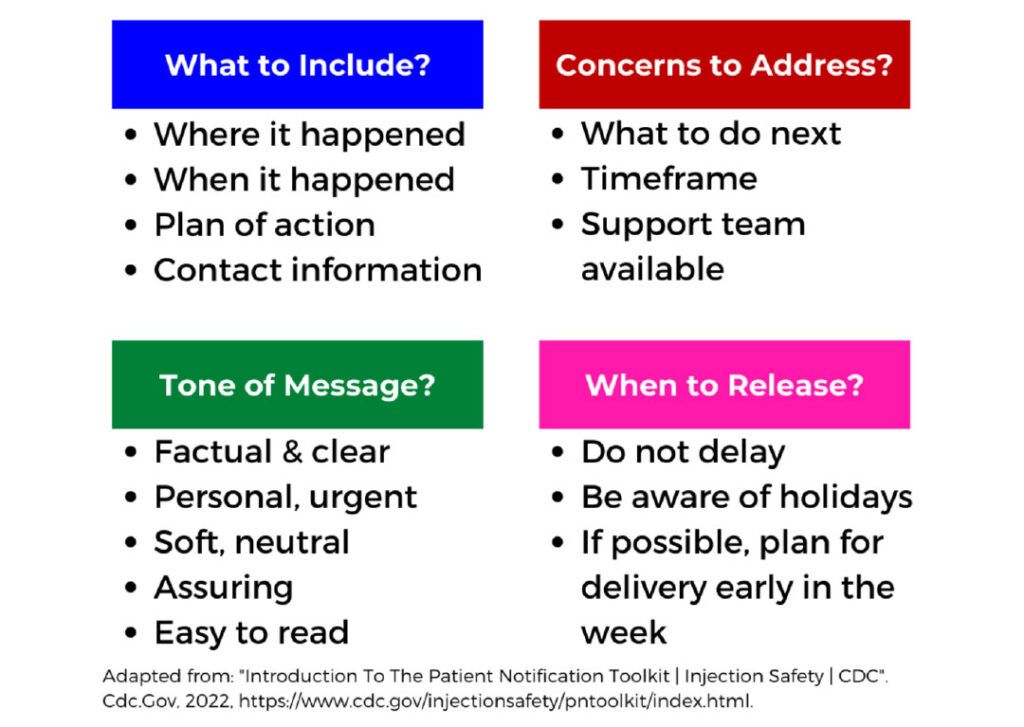
It offers tremendous insight and takeaways for your practice regarding these methods through the Patient Notification Toolkit.
Through the Eyes of Those MSSL Challenged
When sending a lay result letter to examinees detailing a medical procedure performed at any breast imaging practice, there are probably only three common factors everyone can agree upon.
First, most letters provide information about the patient's testing and obtained results. Then, the letters generally offer directions to guide the patient toward the recommended next steps in their healthcare journey. The last is how the first two get framed, which will vary immensely based on the individual imaging practice!
The contents of lay result letters evolve because many facets of patient and health care influence them. Considerations such as personal preferences by key individuals involved in the practice, norms within the medical community, and limitations or requirements in a computer application's templates are just a few.
Meanwhile, even the best intentions for a message can be wiped out in short order if the MSSL challenge becomes too great for patients.
Try It, You Might Be Surprised!
Mammologix encourages its breast imaging practice clients to consider doing periodic 'wellness' checks on their lay result letters. Taking this discretionary effort to look at them through the eyes of the audience for which they are intended and making necessary adjustments will make sure you maximize the benefits these letters can offer to your facility.
When you do, here are some suggested questions to use to help get the process started:
References
Centers for Disease Control and Prevention. (2022). CDC 24/7. CDC.
https://www.cdc.gov/about/?CDC_AAref_Val=https://www.cdc.gov/about/default.htm
Centers for Disease Control and Prevention. (2013, December 6). Section 1: Developing Documents for a Patient Notification. CDC.
About the Author
Richard D. Lippert, Jr.
Founder, President, and Chief Executive Auditor, Mammologix · Breast Imaging Operations since 1995
Founder of Mammologix, Richard D. Lippert, Jr. has spent more than 30 years in breast imaging operations, from clinical practice and hospital radiology administration to building specialized service platforms for imaging centers nationwide. His work spans mammography tracking, lay communication, FDA/MQSA-related support, medical outcome audit, and the operational systems that help facilities stay compliant and keep patients from falling through the cracks.
Full credentials and background →Keep Reading
Related Resources
What Is a Lay Result Letter in Mammography?
The Mammography Quality Standards Act requires every certified facility to send each patient a plain-language results letter within 30 calendar days -- or within 7 days when findings are Suspicious or Highly Suggestive of Malignancy. The 2023 Final Rule, effective September 10, 2024, added mandatory breast density classification and exact FDA-prescribed notification language that facilities may not alter. This article covers what the letter must contain, how it differs from the technical report, and the evidence-based design principles that determine whether patients act on their results.
I'm Here Because ...
3 Ways Examinees End Up at Your Practice for Their Mammogram. Getting an order from a physician is perhaps the most time-honored method for an individual to undergo a breast imaging procedure. A patient with a traditional patient-physician relationship initiates this process.
The Critical Role of Breast Health Navigation
Breast health navigation helps patients overcome barriers to timely and appropriate breast cancer care by addressing logistical, financial, cultural, and linguistic obstacles.
See how Mammologix puts this into practice
Real operational support for breast imaging centers.